
Living Marine Environment
The living marine environment is one of the most complex and expansive ecosystems on Earth. Covering over 70% of the planet’s surface, it forms the beating heart of life — regulating climate, producing oxygen, and hosting a dazzling array of organisms ranging from microscopic plankton to the largest whales.
This vast environment operates as a constantly dynamic system, shaped by waves, ocean currents, tides, temperature variations, and intricate chemical and biological interactions.
To understand its balance and mechanisms, scientists have developed advanced tools such as remote sensing technologies and oceanographic sciences, alongside the study of microscopic organisms like phytoplankton and zooplankton, which form the very foundation of marine life.
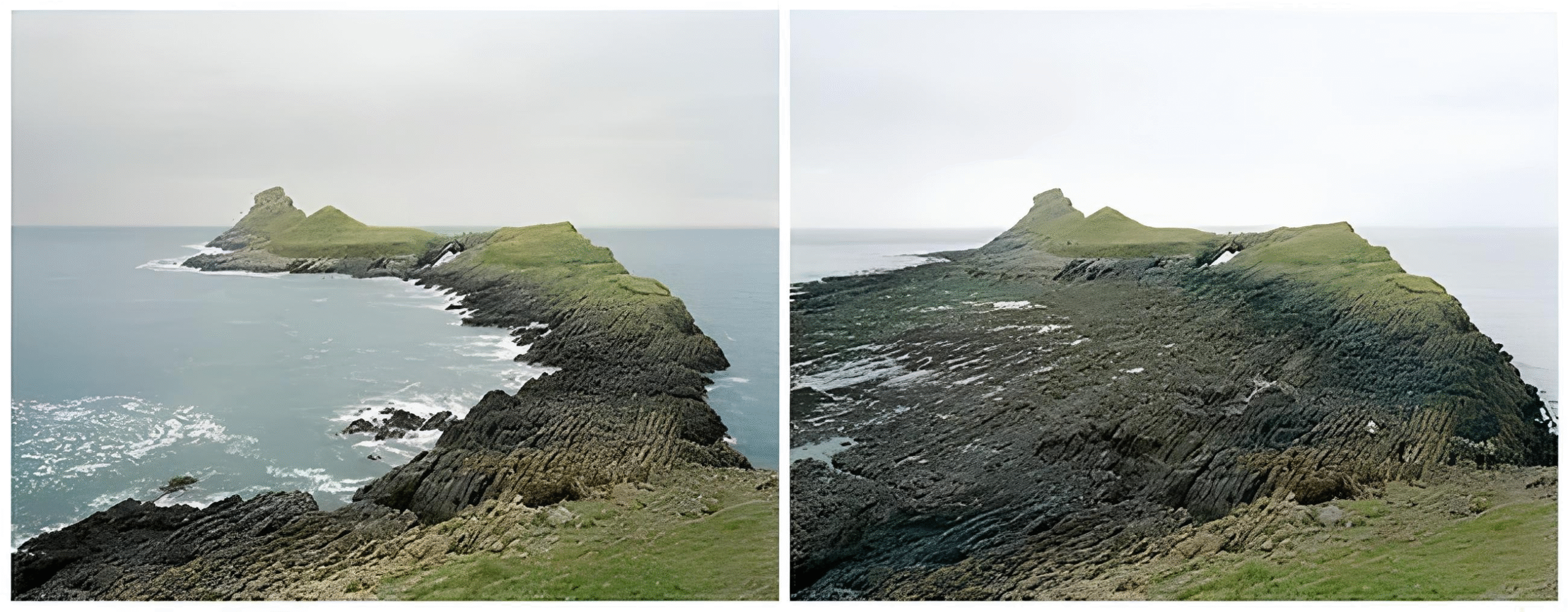
The Rhythmic Pulse of the Ocean That Sustains Coastal Life
The phenomenon of tides is one of the most influential natural forces shaping marine and coastal ecosystems. Tides result from the gravitational pull between the Earth, the Moon, and the Sun, causing periodic rises and falls in sea level twice daily. Beyond their physical movement, tides serve as a biological renewal mechanism, circulating nutrients between deep and surface waters and rejuvenating coastal habitats where young fish and crustaceans thrive.
During high tide, seawater floods coastal areas, mangroves, and mudflats, bringing oxygen and nutrients to marine life. When the tide recedes, it exposes tidal flats — vital feeding and breeding grounds for benthic organisms like crabs, mollusks, and worms. Thus, tides function as the ocean’s heartbeat — a continuous cycle that sustains marine productivity and biodiversity.
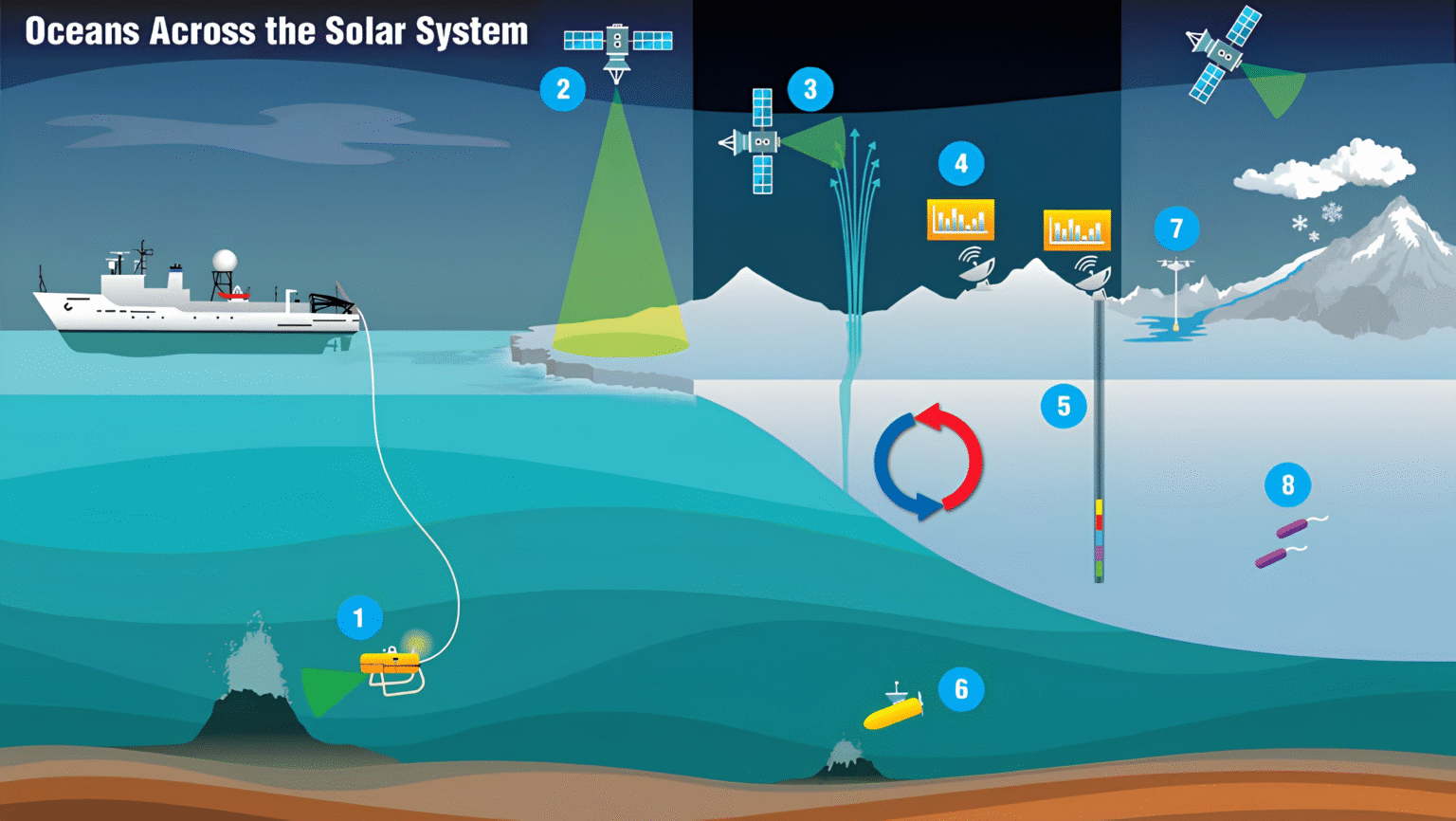
Remote Sensing: Humanity’s Eye in Monitoring the Seas from Space
Remote sensing is one of the most powerful scientific tools revolutionizing the study of marine environments.
Through satellites, aerial sensors, and sea-based instruments, scientists can collect precise, real-time data on sea surface temperature, salinity, chlorophyll concentration, ocean color, and pollution levels.
These technologies have transformed the ocean from a mysterious world into a monitored and measurable system.
Remote sensing supports the creation of marine environmental maps used to manage fisheries, protect coral reefs, and monitor the effects of climate change.
It also allows scientists to forecast major oceanic phenomena such as warm and cold currents, tropical storms, and sea-level rise — making it an indispensable tool for sustainable ocean management and conservation.
Phytoplankton and Zooplankton: The Hidden Engines of Life in the Sea
Plankton form the foundation of the oceanic food web and sustain nearly all marine life.
They are classified into two main groups:
- Phytoplankton, microscopic plant-like organisms that perform photosynthesis, producing more than half of the Earth’s oxygen and serving as the primary food source in the ocean.
- Zooplankton, tiny animal-like organisms that feed on phytoplankton and, in turn, become prey for fish, crustaceans, and whales.
The abundance of phytoplankton is a key indicator of marine ecosystem health. When sunlight, temperature, and nutrients are in balance, plankton populations flourish, leading to thriving marine food chains. Conversely, pollution and temperature shifts can cause their decline, disrupting the entire oceanic system.
In essence, plankton are the invisible heartbeat of marine life, sustaining all forms of life beneath the waves.
Oceanography: Exploring the Depths and Decoding the Secrets of Marine Balance
Oceanography is the comprehensive scientific study of the ocean — encompassing its physical, chemical, biological, and geological aspects. It investigates ocean currents, temperature variations, salinity, seabed composition, and the cycling of carbon and oxygen in marine ecosystems.
Oceanographers work to understand the relationship between climate change and ocean balance, analyzing how human activities — such as overfishing, pollution, and coastal development — affect marine biodiversity.
Their findings are also crucial for predicting marine hazards like tsunamis, tropical cyclones, and coastal erosion, and for developing strategies to mitigate these threats. Ultimately, oceanography serves as a bridge between scientific knowledge and environmental sustainability, offering insights that help humanity preserve the delicate equilibrium of the seas.
Conclusion
The living marine environment is far more than a vast body of water — it is a dynamic, self-regulating world of life and renewal. From tides that refresh the shores, to remote sensing that gives us vision from space, through the microscopic plankton that generate oxygen and sustain the food chain, to oceanographic research that reveals the ocean’s deepest secrets — all are intertwined in a delicate balance that keeps our planet alive.
Understanding and protecting the marine environment is not merely a scientific endeavor — it is a responsibility essential for the survival of life on Earth.